



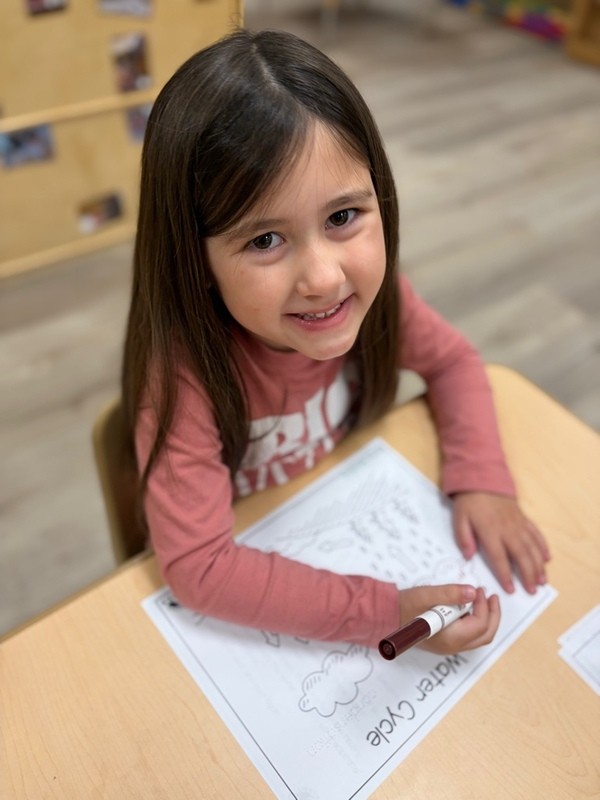
What Age Do Children Start Preschool?
One of the most common questions families ask is: What age should my child start preschool?
The reassuring answer is that there is no single “right” age. Children grow, learn, and develop at their own pace, and preschool can support that growth at many different stages.
Rather than focusing on a specific age, it’s more helpful to think about how preschool and childcare work together to meet children where they are and help them build skills for life.
Preschool Can Begin at Many Different Ages
While preschool is often associated with children ages 3 to 4, early learning environments can support children well before and beyond that range. High-quality childcare and preschool programs are designed to nurture development from infancy through early childhood.
Some children benefit from starting earlier in a nurturing, structured environment, while others may begin later. Both experiences are valid and developmentally appropriate. What matters most is that children are supported in a way that feels safe, positive, and encouraging.
Readiness Is About Support, Not Pressure
Preschool readiness isn’t about checking off a list of skills or reaching a certain birthday. Children don’t need to have everything “figured out” before starting preschool. In fact, preschool is often where those skills begin to develop.
Early learning environments help children gradually build confidence in areas such as:
Social interaction
Communication
Emotional expression
Independence
Comfort with routines
Children don’t need to arrive with these skills mastered, they grow into them with guidance, patience, and consistent support.
How Childcare and Preschool Prepare Children for Life
Preschool and childcare are about much more than early academics. They support the whole child by helping children learn how to:
Build relationships with peers and adults
Express emotions in healthy ways
Solve simple problems
Adapt to new experiences
Develop confidence and resilience
These foundational skills support children not only in kindergarten, but throughout life. When children feel secure and supported, learning happens naturally.
What Growth Looks Like in Everyday Moments
Preschool readiness often shows up gradually and in small ways, such as:
Curiosity about other children
Enjoyment of stories, music, or hands-on activities
Willingness to try new things
Growing independence in daily routines
Comfort spending short periods away from caregivers
These moments don’t need to happen all at once. Preschool and childcare environments are designed to nurture these skills over time.
Supporting Readiness at Home At Any Age
Families play an important role in supporting early development, regardless of when a child starts preschool. Simple, everyday practices can make a big difference:
Keeping predictable routines
Encouraging independence in age-appropriate ways
Reading and talking together
Offering opportunities for play with others
Speaking positively about new experiences
These experiences help children feel confident and supported as they grow.
A Partnership That Grows With Your Child
The most successful early learning experiences happen when families and educators work together. Open communication, trust, and shared goals help create a smooth transition into childcare or preschool, at any age.
A supportive early learning environment doesn’t rush children forward or hold them back. Instead, it meets them where they are and helps them grow at a pace that feels right for them.
Frequently Asked Questions
What age is preschool typically associated with?
Preschool is often associated with ages 3 to 4, but children can benefit from early learning environments at many different ages.
Is there a “best” age to start preschool?
There is no single best age. Children develop at different rates, and preschool can support growth whenever families feel the timing is right.
What if my child doesn’t seem ready yet?
That’s okay. Readiness develops over time, and early learning environments are designed to help children build skills gradually and confidently.
How does childcare support preschool readiness?
Childcare environments support social, emotional, and developmental growth every day, helping children prepare for school and life naturally through play, routines, and relationships.
Can preschool help children who are still developing confidence or independence?
Yes. Preschool and childcare are designed to support children as they grow, offering guidance, encouragement, and consistency along the way.