

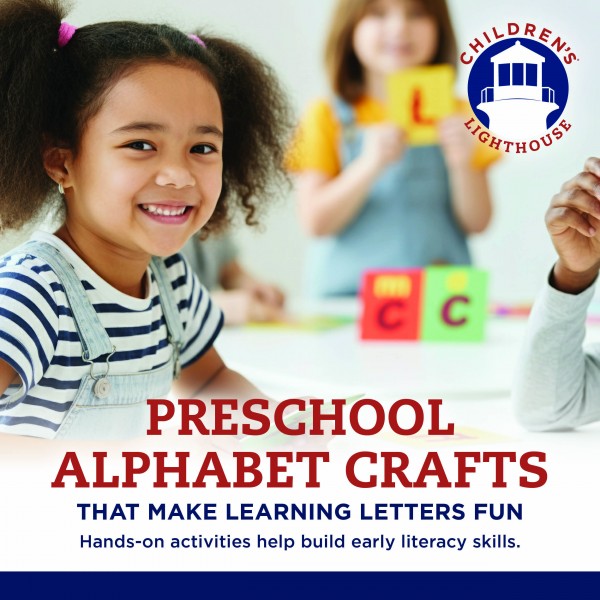
Preschool Alphabet Crafts That Make Learning Letters Fun
Learning the alphabet is one of the first steps toward reading success, but for preschoolers, memorizing letters isn't enough. Children learn best when they can see, touch, hear, and interact with letters in meaningful ways. That's why alphabet crafts are such a valuable part of early childhood learning.
Hands-on alphabet activities help children develop letter recognition, fine motor skills, early literacy confidence, and a positive attitude toward learning while making the process fun and engaging.
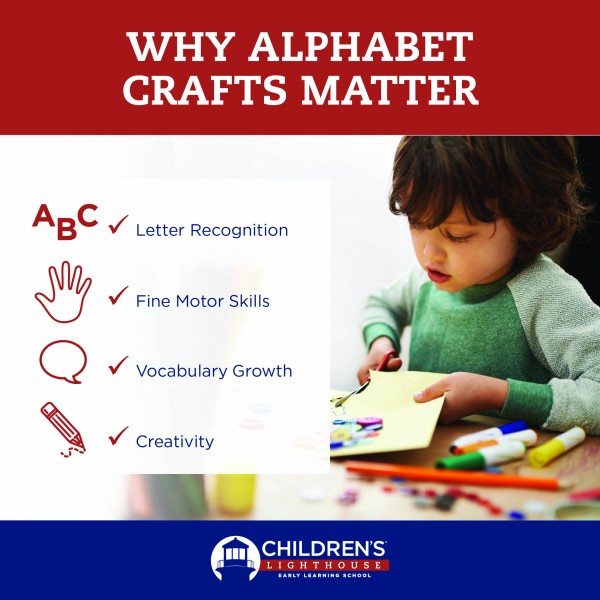
Why Alphabet Crafts Matter
Alphabet crafts do much more than teach children the names of letters. They help preschoolers:
- Strengthen fine motor skills through cutting, gluing, coloring, and tracing
- Recognize and identify letter shapes
- Build vocabulary through conversation and play
- Develop creativity and problem-solving skills
- Connect learning to real-world experiences
- Create positive experiences with early literacy
Research shows that children learn best through active engagement. When learning feels like play, children are more likely to stay interested and retain new information.
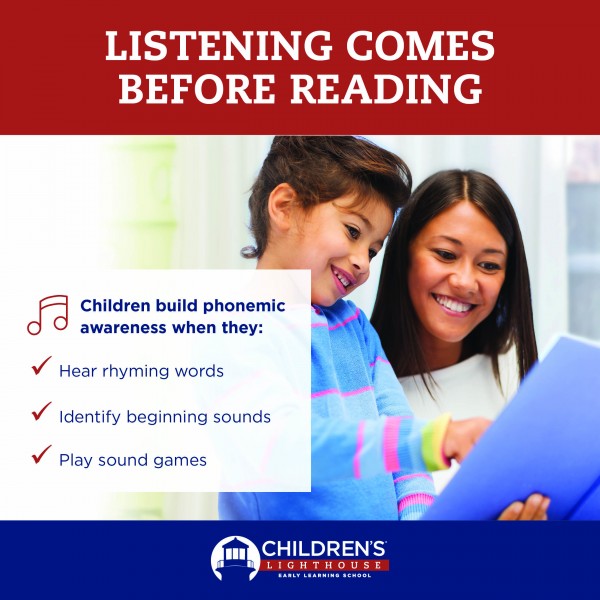
Building Phonemic Awareness Through Play
One of the most important early literacy skills children develop before learning to read is phonemic awareness.
Phonemic awareness is the ability to hear and identify individual sounds in spoken words. Before children can connect letters to words on a page, they must first recognize that words are made up of sounds.
Children demonstrate phonemic awareness when they can:
- Identify words that rhyme
- Recognize beginning sounds in words
- Clap syllables in a word
- Hear that "ball" and "bear" begin with the same sound
- Separate simple words into individual sounds
Alphabet crafts provide a natural opportunity to practice these skills. As children create a letter craft, parents and teachers can focus on both the letter and its sound.
For example, when making a butterfly craft for the letter B, children can practice the /b/ sound and brainstorm other words that begin with the same sound, such as ball, banana, and bear.
These conversations help children build the sound awareness that supports future reading success.
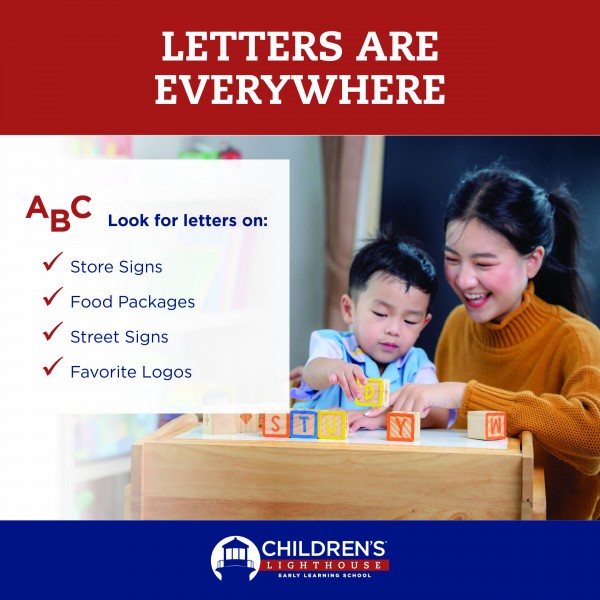
Learning Through Environmental Print
Children begin developing literacy skills long before they can read books independently. One of the ways they do this is through environmental print—the signs, logos, labels, and symbols they see every day.
Many preschoolers can recognize:
- Stop signs
- Restaurant logos
- Favorite cereal boxes
- Store signs
- Street signs
- Food packaging
When a child recognizes a familiar logo or points out a sign they have seen before, they are learning that print carries meaning.
Parents can encourage environmental print awareness by:
- Pointing out letters on signs and labels
- Asking children to find letters they recognize while shopping
- Looking for the first letter in their name on packaging and advertisements
- Collecting pictures from magazines to create alphabet collages
- Talking about the sounds they hear in familiar words
Environmental print helps children connect letters and sounds to real-world experiences, making literacy both meaningful and memorable.
Fun Alphabet Craft Ideas
Alphabet crafts don't need to be complicated. Some simple favorites include:
Letter AnimalsTransform letters into animals or objects.
- B becomes a butterfly
- C becomes a caterpillar
- F becomes a fish
- S becomes a snake
As children create, talk about the letter sound and other words that begin with the same letter.
Letter CollagesChoose a letter and fill it with pictures that begin with that sound.
For example, the letter M could include:
- Moon
- Monkey
- Mouse
- Muffin
This activity strengthens vocabulary while reinforcing sound-letter connections.
Build-a-Letter ActivitiesUse everyday materials such as:
- Play dough
- Craft sticks
- Pipe cleaners
- Buttons
- Building blocks
Constructing letters helps children understand letter formation while strengthening the small muscles needed for writing.
Sensory Letter ExplorationMake letters come alive through sensory play.
Try:
- Finger painting letters
- Tracing letters in sand
- Using shaving cream to practice letter shapes
- Dot painting around letter outlines
These activities engage multiple senses and help children remember what they are learning.
Taking Alphabet Learning Beyond the Craft Table
Learning letters can happen anywhere.
Look for opportunities to explore literacy through everyday experiences:
- Create letters with sidewalk chalk
- Build letters with sticks and leaves outdoors
- Go on a letter scavenger hunt
- Search for objects that begin with a target sound
- Read alphabet books together
The more children encounter letters and sounds in different settings, the stronger their understanding becomes.
Every Letter Helps Build Reading Success
Alphabet crafts may seem like simple art projects, but they help build some of the most important skills children need before they learn to read. Through hands-on exploration, conversations about sounds, and exposure to print in their everyday world, preschoolers begin developing the literacy foundation that supports future academic success.
The journey toward reading begins long before a child opens their first chapter book. By making letter learning fun, meaningful, and interactive, parents and educators can help children develop confidence, curiosity, and a lifelong love of learning.
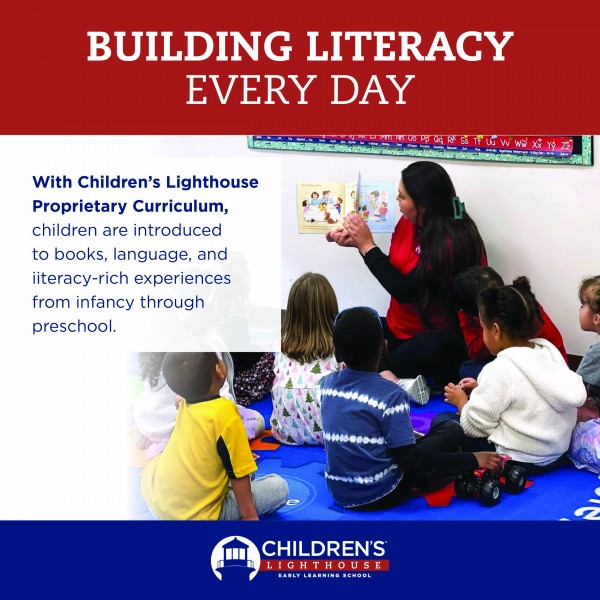
At Children's Lighthouse, we believe the foundation for lifelong learning starts long before a child begins recognizing letters and words. Through our proprietary BRIGHT® curriculum, children are introduced to language and literacy through daily story time, songs, nursery rhymes, and meaningful interactions with teachers. As children grow, they explore age-appropriate books, environmental print, alphabet activities, and educational toys that encourage letter recognition, vocabulary development, and a love of learning. These experiences help children build the strong literacy foundation needed for future academic success.
As children enter our preschool program, the CARES® curriculum builds upon those early literacy experiences through intentional language and communication activities. Teachers engage children in conversations, storytelling, songs, rhyming games, and group discussions that encourage listening and language development. Preschoolers begin recognizing rhyming words, identifying beginning sounds, and hearing patterns within spoken language. These experiences help develop phonemic awareness, a critical pre-reading skill that prepares children to connect spoken sounds with printed letters as they progress toward reading readiness.
By combining the literacy-rich experiences of BRIGHT® with the kindergarten readiness focus of CARES®, Children's Lighthouse helps children develop the academic, social-emotional, and communication skills needed for future success in school and beyond.
National Institute for Literacy. Developing Early Literacy: Report of the National Early Literacy Panel.
American Academy of Pediatrics. Early Literacy Development and School Readiness.
National Association for the Education of Young Children (NAEYC). Developmentally Appropriate Literacy Practices and Emergent Literacy.
Reading Rockets. Phonological and Phonemic Awareness.
Reading Rockets. Environmental Print: Early Literacy Learning in Everyday Settings.
International Literacy Association (ILA). Environmental Print and Emergent Literacy Development.
Harvard University Center on the Developing Child. Brain Development and Early Learning.
U.S. Department of Education, Institute of Education Sciences. Foundational Skills to Support Reading for Understanding in Kindergarten Through 3rd Grade.