

Celebrating Earth Day Through Hands-On Learning
At Children’s Lighthouse, we believe that meaningful learning happens through real experiences—and Earth Day is the perfect opportunity to bring that to life.
Earth Day is more than just a celebration; it’s a chance to help children understand the importance of caring for the world around them. Through hands-on learning and intentional experiences, we guide children in developing a deeper connection to nature, responsibility, and their role in protecting our environment.
Learning by Doing
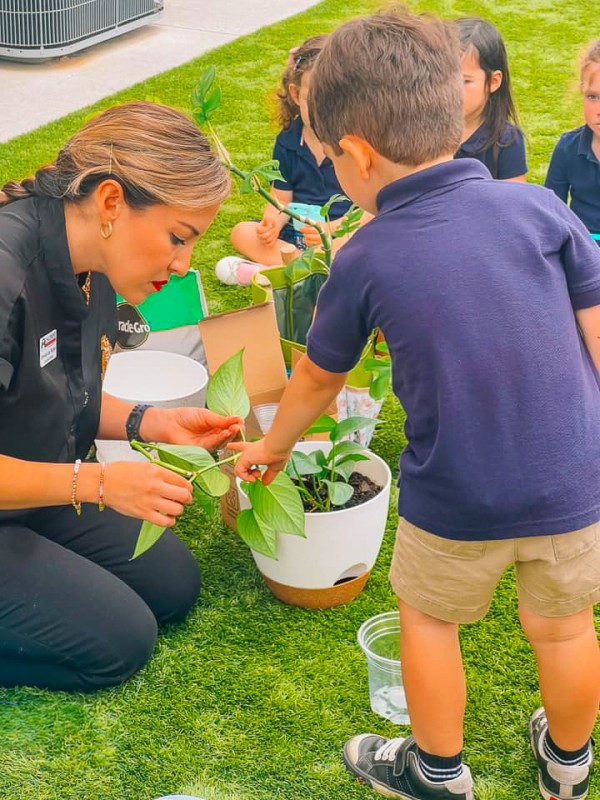
Children learn best when they can see, touch, and explore. That’s why many Children’s Lighthouse schools incorporate live gardens into their outdoor learning spaces. These gardens give children the opportunity to plant, water, and care for living things while watching them grow over time.
Through these experiences, children begin to understand where food comes from, how plants grow, and the importance of taking care of the environment. More importantly, they build patience, responsibility, and a sense of pride in their work.
Nature as a Classroom
Our approach to early education extends beyond the walls of the classroom. Nature becomes an extension of the learning environment, encouraging curiosity and discovery.
Children might observe changes in the weather, explore the textures of leaves and soil, or learn how small actions, like recycling or conserving water, can make a big difference. These everyday moments help build a strong foundation of environmental awareness from an early age.
Bringing the 3E Curriculum to Life
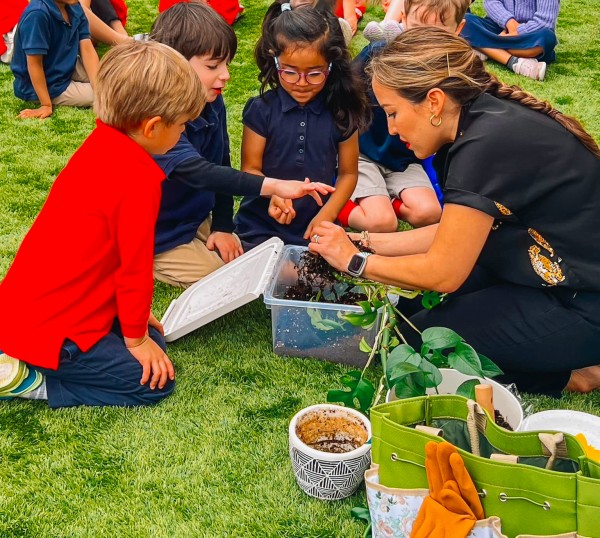
At Children’s Lighthouse, our 3E Curriculum (Explore, Experiment, Exercise) comes to life through hands-on, meaningful activities like Earth Day lessons.
Children may explore plants such as citronella and lemon balm to understand why they naturally repel insects.
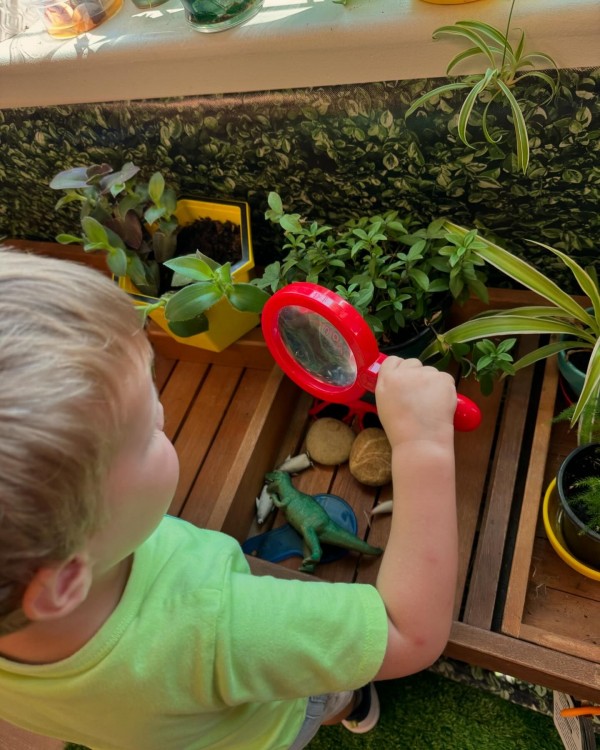
- Explore: Children observe plants up close—looking at the leaves, smelling them, and asking questions about what makes them unique.
- Experiment: They think critically by discussing and predicting outcomes, such as why insects avoid certain plants or what might happen if an insect interacted with them.
- Exercise: Through outdoor interaction and sensory engagement, children connect physically with their environment while actively participating in the learning process.
By asking open-ended questions like “What do you think insects don’t like about these plants?” children are encouraged to think deeper, communicate their ideas, and build confidence in their discoveries.
This type of learning goes beyond traditional instruction, it allows children to experience science in a way that is engaging, memorable, and rooted in the natural world.
Growing More Than Plants
When children participate in activities like gardening or caring for their environment, they are growing more than just plants, they are growing confidence, curiosity, and character.
They learn that their actions matter, that they can make a difference, and that even small efforts can have a positive impact. These are lessons that stay with them far beyond the classroom.
Celebrating Earth Day, Every Day
While Earth Day is a special moment to highlight these experiences, the values behind it are woven into daily life at Children’s Lighthouse.
By combining hands-on learning, meaningful experiences, and a strong educational foundation, we help children develop a lifelong respect for the world around them—because when children understand and appreciate nature, they are more inspired to care for it.