


Father’s Day Experiences for More Quality Time With Kids
Father’s Day is about more than gifts — it’s about spending meaningful time together. While handmade crafts are always special, many families are choosing experiences that create opportunities for connection, laughter, and memories made together.
Simple activities can strengthen family bonds while giving children dedicated time with the important father figures in their lives. Whether it’s a backyard campout, mini golf outing, or breakfast date, these moments often become traditions families treasure most.
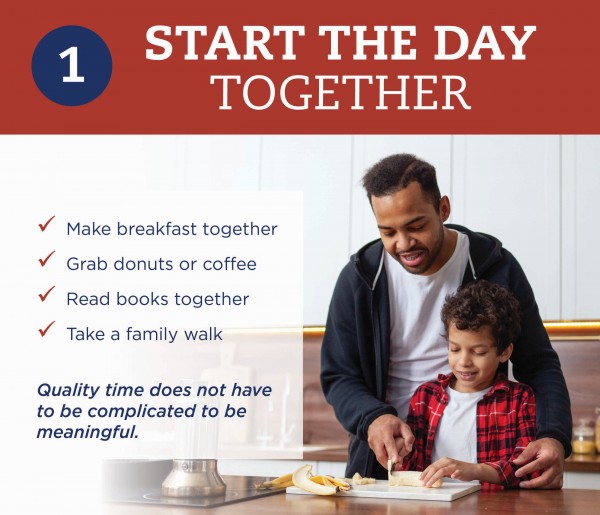
Start the Day Together
Starting Father’s Day with breakfast together is a simple way to slow down and enjoy intentional family time. Whether it’s homemade pancakes, donuts from a favorite shop, or coffee and breakfast at home, children love being part of small traditions that make the day feel special.
Morning activities create opportunities for conversation, laughter, and connection before the busyness of the day begins. Even something as simple as cooking breakfast together can help children feel included and valued. These small moments often become the traditions families continue year after year because they create consistency, comfort, and meaningful memories.
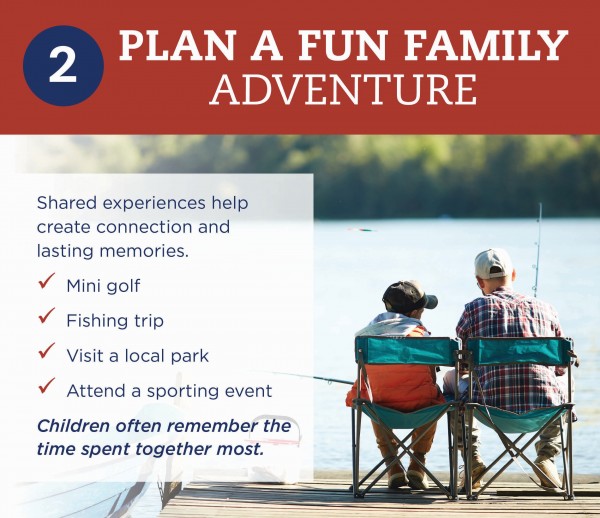
Plan a Fun Family Adventure
Activities like mini golf, fishing trips, visiting a local park, or attending a sporting event create opportunities for connection and conversation. Shared experiences help children feel involved while creating moments families can look back on for years to come.
Family adventures do not need to be expensive or elaborate to be meaningful. Children often remember the excitement of spending uninterrupted time together more than the activity itself. Whether it’s cheering at a baseball game, learning to cast a fishing pole, or laughing through a round of mini golf, these experiences help strengthen family relationships while encouraging communication and confidence.

Simple At-Home Experiences Matter Too
Some of the best Father’s Day memories happen right at home. Backyard campouts, movie nights, building projects, and ice cream nights allow families to spend meaningful time together without needing complicated plans. The goal is not perfection — it’s simply being together.
At-home experiences also give families the opportunity to slow down and focus on quality time without distractions. Building a LEGO® set, roasting marshmallows outside, or watching a favorite movie together can create just as much excitement for children as a large outing. These relaxed moments help children feel connected, supported, and secure while creating memories that feel personal and meaningful.
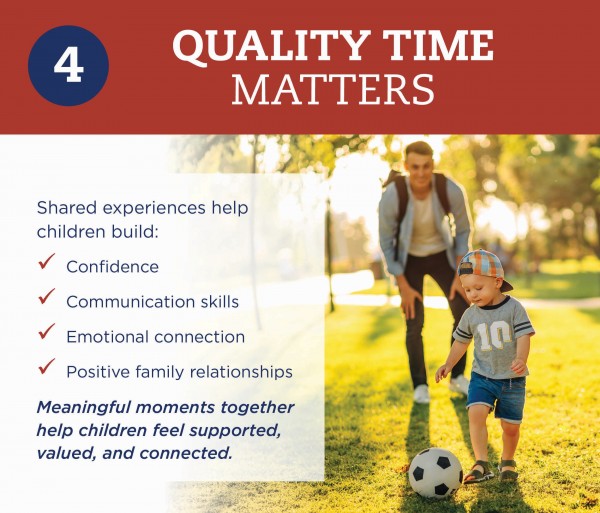
Why Quality Time Matters
Shared experiences help children build emotional connection, communication skills, confidence, and positive family relationships. For children, quality time and attention often become the moments they remember most.
Research continues to show that positive family interactions support social-emotional development and help children build stronger relationships. Spending intentional time together also helps children feel heard, valued, and emotionally supported. Even small moments of connection can have a lasting impact on a child’s confidence and sense of belonging.
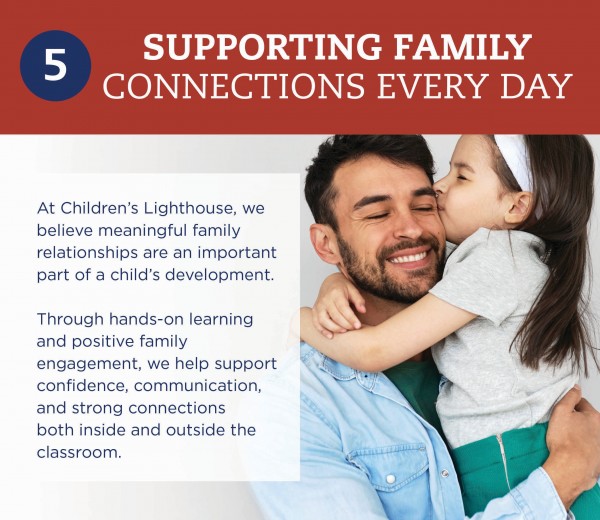
Supporting Family Connections Every Day at Children's Lighthouse
At Children's Lighthouse, we believe strong family relationships are an important part of a child’s development. Through hands-on learning, classroom engagement, and meaningful family moments, we help support confidence, communication, and positive connections both inside and outside the classroom.
Celebrations like Father’s Day provide opportunities for children to express appreciation while spending meaningful time with the people who support and encourage them every day. We believe experiences that encourage connection, communication, and family involvement help children build confidence while creating positive memories that support their overall development.
Sources
American Academy of Pediatrics. HealthyChildren.org. “The Importance of Play in Promoting Healthy Child Development and Maintaining Strong Parent-Child Bonds.”
Centers for Disease Control and Prevention (CDC). “Essentials for Parenting Toddlers and Preschoolers.” CDC.gov.
Harvard University Center on the Developing Child. “Serve and Return Interaction Shapes Brain Architecture.” developingchild.harvard.edu.
National Association for the Education of Young Children (NAEYC). “Building Positive Relationships with Young Children.” NAEYC.org.
Zero to Three. “Creating Meaningful Moments with Young Children.” ZeroToThree.org.