



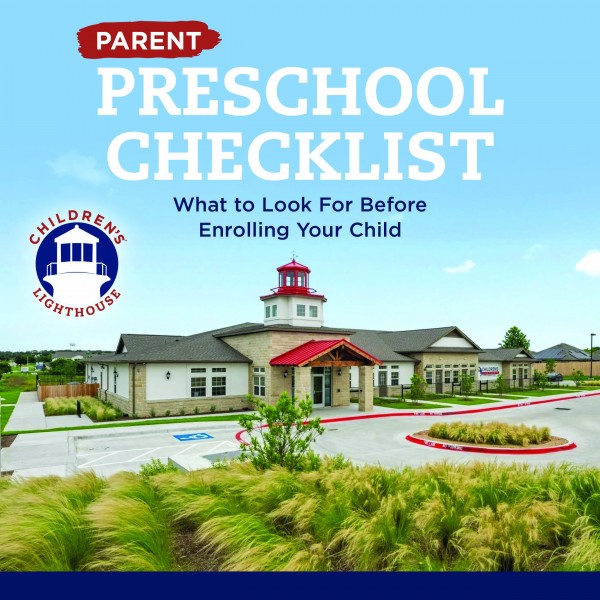
Preschool Checklist for Parents: What to Look for Before Enrolling Your Child
Choosing the right preschool is an important decision for families. Parents want to find a place where their child feels safe, supported, encouraged, and excited to learn each day.
With so many options available, it can sometimes feel overwhelming to know what truly matters when evaluating a preschool program. Having a checklist can help families focus on the factors that contribute most to a positive early learning experience.
A Warm and Welcoming Environment
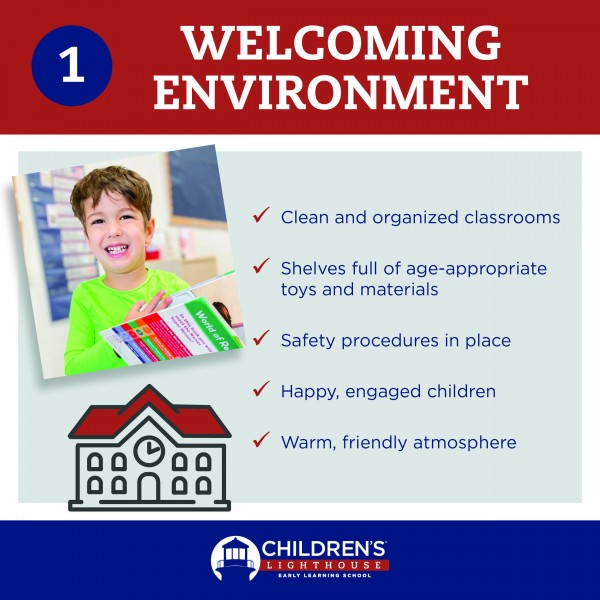
One of the first things parents notice during a preschool tour is how the environment feels. A quality preschool should feel welcoming, organized, and engaging for both children and families.
Pay attention to:
- Friendly interactions between teachers and children
- Clean and organized classrooms
- Age-appropriate learning materials
- Secure entrances and safety procedures
- Happy and engaged children
A nurturing atmosphere helps children feel comfortable and confident as they transition into a school setting.
A Strong Early Learning Curriculum
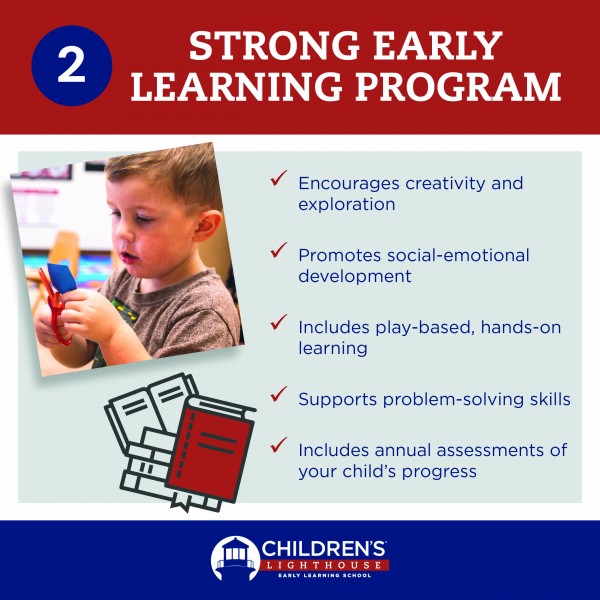
Preschool should provide more than supervision. A quality program introduces children to foundational academic, social, and emotional skills through hands-on learning experiences.
Look for programs that support:
- Early literacy and language development
- Math and problem-solving skills
- Social-emotional learning
- Creativity and exploration
- Physical development
- Character education
Young children learn best through active engagement, play, and meaningful interactions.
Safety and Security Measures
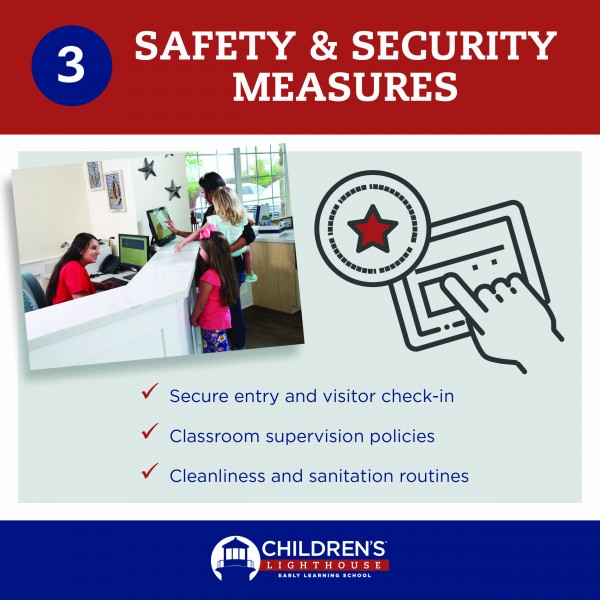
Safety is a top priority for families choosing a preschool. Parents should feel confident that the school has clear procedures in place to protect children throughout the day.
Important safety features may include:
- Secure entry systems
- Visitor check-in procedures
- Classroom supervision policies
- Emergency preparedness plans
- Cleanliness and sanitation routines
Many parents also value schools that provide consistent communication and updates throughout the day.
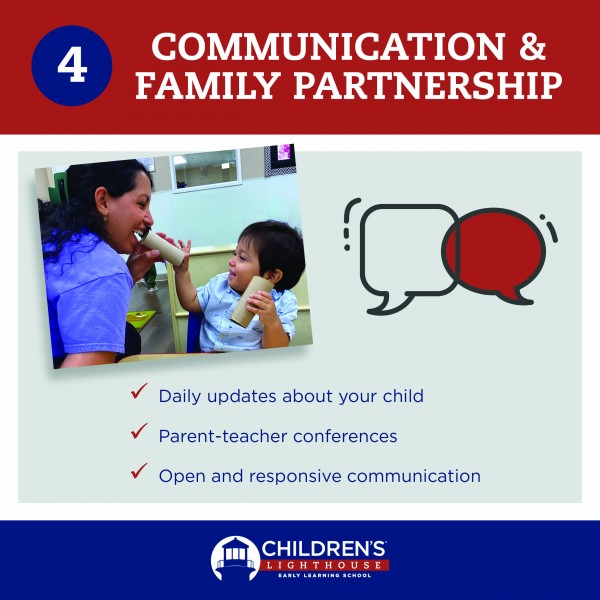
Communication With Families
Strong partnerships between parents and educators create a more supportive experience for children.
Ask how the school communicates with families regarding:
- Daily updates
- Developmental progress
- Classroom activities
- Important announcements
- Parent conferences
Open communication helps parents stay connected and informed about their child’s growth and experiences.
Opportunities for Social and Emotional Growth
Preschool is often one of the first places children learn how to interact in larger group settings. A strong preschool program helps children develop skills like:
- Sharing
- Problem-solving
- Cooperation
- Emotional regulation
- Independence
- Respect for others
These social-emotional skills build confidence and prepare children for future academic success.
Flexibility and Convenience for Families
Practical considerations also matter when selecting a preschool. Families may want to consider:
- School hours
- Location
- Program options
- Tuition and enrollment policies
- Summer or extended care availability
Finding a program that supports your family’s schedule can make the transition smoother for both parents and children.
Trusting Your Instincts
After researching and touring schools, parents should trust their instincts. A preschool should feel like a place where your child will be encouraged, valued, and supported every day.
At Children’s Lighthouse, we understand how important these early years are for children and families. Our nurturing environment, educational curriculum, and focus on character development help create meaningful learning experiences that support the whole child.